
As the electric vehicle industry continues to mature, the conversation is shifting beyond vehicle adoption and charging speeds toward a more important question:
How do we build charging infrastructure that is reliable, scalable, and designed for long-term operation?
To help answer that question, Mariano Rigotti, EV Charging & Energy Storage Systems (ESS) Business Development Manager at the Amphenol Industrial Products Group, attended ACT Expo in Las Vegas to explore the latest innovations in EV charging infrastructure and identify the trends shaping the industry’s future.
After walking the show floor and evaluating charging solutions from manufacturers around the world, several clear themes emerged.
1. Cable Management Is Becoming a Critical Design Consideration
One of the most consistent observations throughout ACT Expo was the increasing focus on cable management systems.
As charging power levels continue to increase, cable assemblies face greater mechanical stress from daily use. Improper cable routing can lead to excessive bend radius, fatigue, premature wear, and ultimately reduced system reliability.
Many of the most innovative charging station manufacturers have responded by implementing advanced cable management systems that:
- Protect cable assemblies from excessive bending
- Improve ergonomics for drivers
- Reduce long-term maintenance requirements
- Extend cable service life
According to Rigotti, proper cable management is no longer simply a convenience feature. It is becoming a critical component of overall charging system reliability.
2. Megawatt Charging Systems Are Ready for Commercial Deployment
Megawatt Charging Systems (MCS) were among the most talked-about technologies at ACT Expo.
Designed to support heavy-duty commercial transportation, MCS technology enables charging currents up to 1,500 amps and significantly reduces charging times for commercial trucks and fleet vehicles.
Perhaps equally important is the industry’s growing agreement around charging port placement on commercial vehicles.
By standardizing inlet locations on the driver’s side of the vehicle, infrastructure developers can optimize charger layouts, reduce cable lengths, improve reliability, and simplify charging operations.
This level of industry alignment is helping accelerate adoption across the commercial transportation market.
3. Reliability Is Becoming More Important Than Peak Power
While charging speed remains important, many manufacturers are now focusing heavily on system reliability and uptime.
Fleet operators depend on charging infrastructure that performs consistently every day. As a result, manufacturers are investing in:
- More durable charging connectors
- Improved strain relief designs
- Enhanced environmental protection
- Better cable routing systems
- Reduced maintenance requirements
The industry’s focus is increasingly shifting from maximum performance specifications to total lifecycle performance.
4. Smart Charging Features Are Improving User Behavior
Several charging station manufacturers showcased intelligent features designed to improve how charging equipment is used in the field.
Examples included sensors that detect when charging sessions have ended and monitor whether charging connectors have been properly returned to their holders.
These seemingly simple features can have a meaningful impact on equipment longevity.
Improper handling remains one of the most common causes of connector and cable damage. Encouraging users to properly store charging equipment helps reduce wear, improve uptime, and lower maintenance costs.
5. The EV Charging Industry Is Maturing
Perhaps the most significant takeaway from ACT Expo was the maturity of the market itself.
The industry’s focus is evolving beyond simply delivering more power.
Today’s leaders are increasingly focused on:
- Reliability
- Serviceability
- User experience
- Infrastructure scalability
- Fleet efficiency
- Total cost of ownership
These priorities reflect an industry transitioning from early adoption into large-scale deployment.
The Road Ahead
According to Rigotti, the future of EV charging infrastructure will not be determined solely by who can deliver the highest charging power.
The winners will be the companies that combine performance, reliability, durability, and ease of use into solutions that can operate successfully for years in real-world environments.
As EV adoption continues to accelerate across passenger vehicles, commercial fleets, and heavy-duty transportation, these factors will become increasingly important.
The technology is here. The standards are emerging. The next phase of growth will be driven by the companies that can scale reliable charging infrastructure to meet the demands of tomorrow’s transportation networks.
Want to discuss your EV charging needs?
Click here to contact us
To learn more about EV charging and connector solutions:
Explore our EV charging solutions
Stay up-to-date with all Amphenol Industrial Products Group News
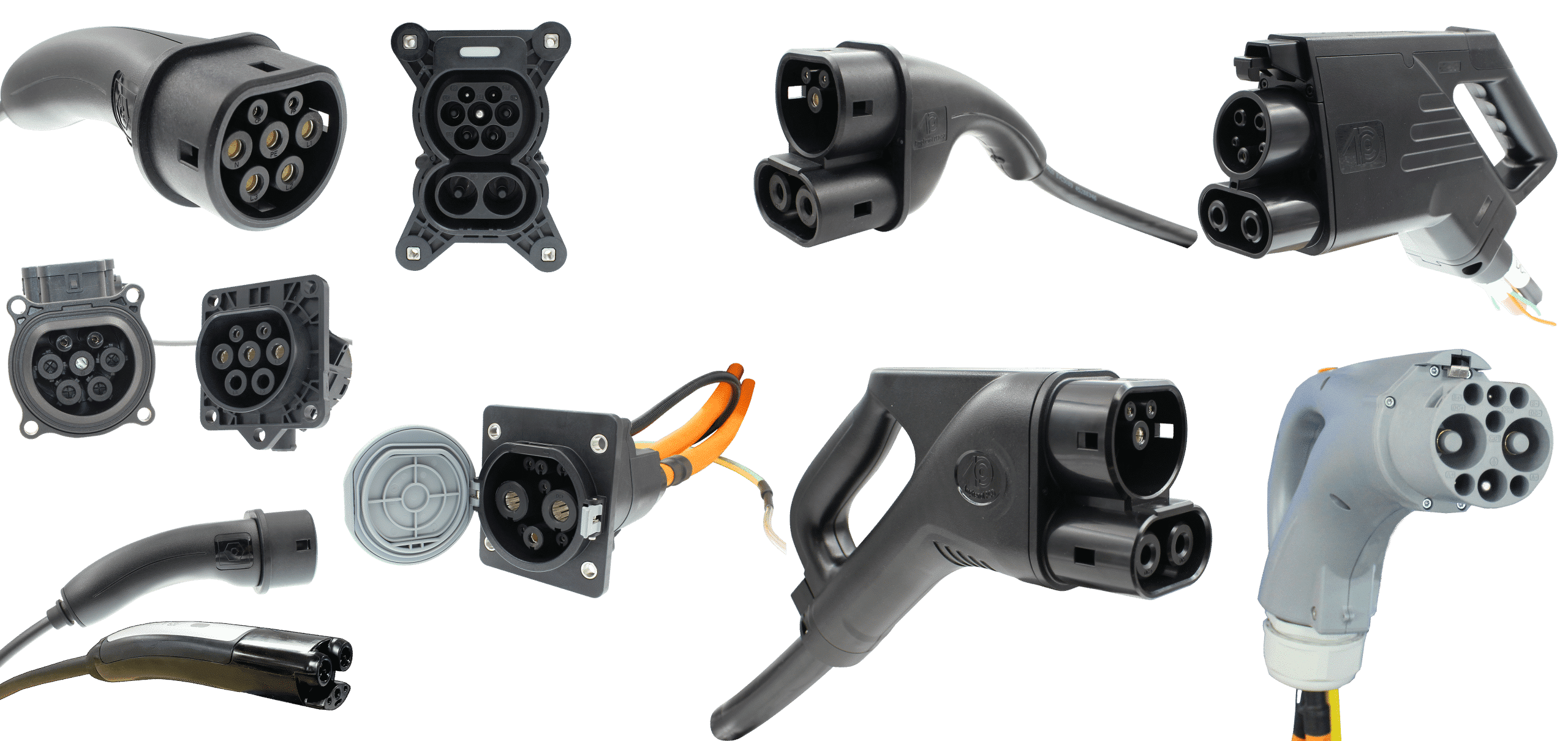
- /
What ACT Expo Revealed About the Future of EV Charging Infrastructure
As the electric vehicle industry continues to mature, the conversation is shifting beyond vehicle adoption and charging speeds…

- /
Demo Events
What is Lorem Ipsum? Lorem Ipsum is simply dummy text of the printing and typesetting industry. Lorem Ipsum has…
- /
Demo News
What is Lorem Ipsum? Lorem Ipsum is simply dummy text of the printing and typesetting industry. Lorem Ipsum has…
Connect with Our Team
Our Solution Experts are your trusted partners in connection, driving innovative solutions, building strong relationships, and empowering your success through unmatched expertise.
Solutions experts
Our Businesses
